Grass fodder is used as an animal feed and can be produced in great numbers within 8 days from seed to grass for all livestock & even quicker with Co2 added. Various varieties of grass fodder include, but are not limited to, barley, oat grass, lucerne grass, rye grass or whatever grass one wishes to grow in ones country.For more you can visit http://alfaculture.com
Thursday, 12 February 2015

Monday, 9 February 2015
Indoor Gardening Tips for Winter
Just because the winter is around the corner, it does not mean that you need to throw away your gardening gloves and kill time until spring to get your hands soiled again. People often ignore the fact that during the winter, their home offers an ideal atmosphere for plants to flourish and they can cultivate most of the fresh greens & veggies that they’d produce throughout the warmer seasons. Here in this post, we’ll discuss about few winter gardening ideas to make your indoor gardening experience a massive success:
 • Arrange adequate light – as winter takes over, the hours of sunshine sometimes look to completely disappear. Productive and cost-effective lighting is possibly the biggest difficulty people encounter as indoor gardeners. Though a sunny window may be sufficient to keep few herbs or small plants progressing, to make the most your indoor gardening space, you will wish to incorporate supplemental light. There are many artificial lights available online that you can use for your indoor gardening.
• Develop a clean working area – it can be really messy when you work with soil indoor. To assist keep soil getting all over the place you should put a dirt-free trap down prior to you do any work. This way you’ll not concerned about spilling dirt and it makes blending soil mixtures, transplanting and filling containers much more pleasurable indoors.
• Keep a stable temperature – many plants that you consume are very responsive to temperature changes. For example, Basil is especially responsive to the cold, thus, a draughty area close to an exterior outdoor wouldn’t be ideal.
• Appropriate ventilation – plant requires a decent flow of air to grow ideally. Putting a fan close to your plants indoor will make sure that they’re getting a steady flow of air. Maintaining a constant flow of air not just helps harden your plant but also keep insects at bay.
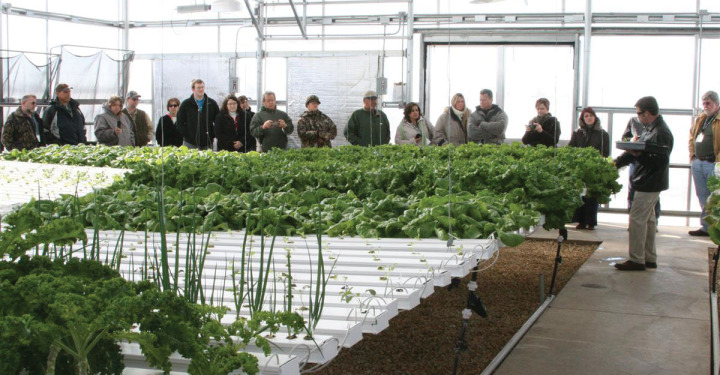 • Appropriate humidity – maintaining a proper humidity level is very essential, but often ignored by gardeners. One great way to maintain the humidity level for your indoor garden is by positioning a cool mist humidifier beside your garden.
• Inspect properly and often – indoor gardening does have its negative side. Maintaining a clean working area and making use of products designed for indoor use help wonderfully to keep your garden pest free. Early detection and appropriate treatment will stop bugs from spreading to other parts of your indoor garden.
Wednesday, 4 February 2015
Employ Rockwool in Hydroponic Gardening
Rockwool is an adaptable growing medium that can be utilized as a separate product or in a range of hydroponic systems. In this article, we’ll guide you through the essential procedure of how to employ rockwool as a part of hydroponic farming.
Here are 5 straightforward steps to pursue when going for rockwool for the 1st time:
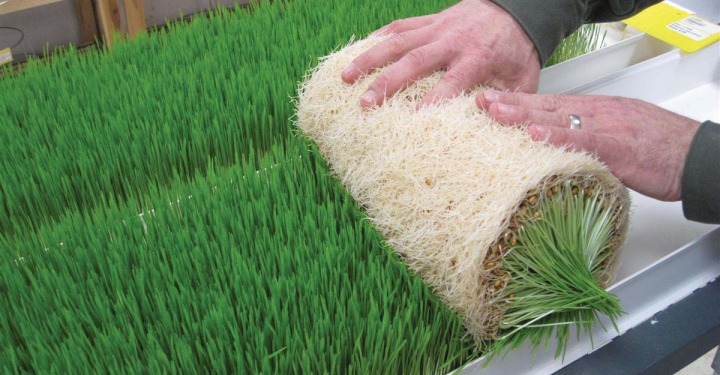
• Buying the product – buy a packet of 1 rockwool cubes for seed circulation. These are normally sold in suitable packs that fit ideally into a regular 10” x 20” plastic dish.
• Fine-tuning the pH level – relying on the brand of rockwool you buy, the subsequent instructions may differ. Fine-tune the pH level of the water to 5.5 employing lemon water if you’ve that on hand. Check and adjust the pH level as required employing a pH kit. Drench the rockwool until the medium is immersed completely. Don’t compress the back since the substance has been intended for an ideal air/water proportion for agriculture purposes.
• Planting the seeds – plant seeds in all cubes. Relying upon the seed, you may wish to plant numerous seeds in every cube.
• Including the nutrient solution – use a watery nutrient solution to water your plants. Throughout the primary stages of the plants’ growth cycle, the plants won’t require the complete supply of macronutrients supplied by the supplement solution. The quality of the supplement solution can improve as the plants grow into complete maturity.
• Transplanting into a fresh medium – the rockwool cubes are prepared to be transplanted as soon as the taproot is noticeable at the base of the cube. Right now, you’ll wish to figure out where you’d like to move your plant, whether it is a bigger rockwool block, a pot with loose stuff or a hydroponic system. Despite the fact, ensure the fresh media is pre-soaked with supplement solution or ideally running before transplantation to decrease the danger of transplanting blow.
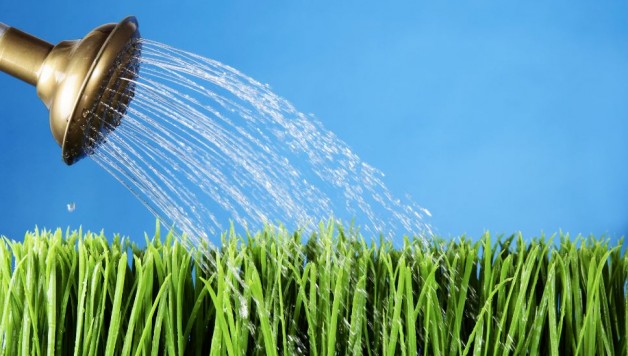 Be watchful while transferring rockwool to a soilless medium in light of the fact that the new medium can soak away water and dried up the rockwool block prior to the roots achieves the new soilless media. Accordingly, it’s vital for the plants’ root system to be settled prior to transplanting.
Rockwool is a great alternative for soilless substance for both commercial farmers and hobby gardeners.
So, don’t be too lazy! Employ these strategies to enjoy hydroponic gardening all through the year.
Wednesday, 28 January 2015
5 Advantages of Urban Farming
Also known as urban agriculture, urban farming is a way for urban inhabitants to produce their own food, or have access to local foodstuffs. The tradition of urban farming is growing in fame in urban regions across North America. With the several advantages of urban agriculture and all that local food production has to provide, it is essential that we carry on to spread consciousness regarding how communities and individuals can institute a base of enhanced health, social communications, and economic opulence.
Here we’ll have a look at 5 advantages of urban agriculture:
 • Improves food-safety – food safety is having access to and being able to afford wholesome, safe foodstuff – and enough of it. This is a main worry for several households worldwide. Fortunately, urban agriculture contributes to better food security.
• Makes a sense of belonging – urban agriculture is 1 means to bring urban inhabitants together to institute a sense of community amongst people otherwise self-governing and, in several cases, isolated.
• Produces wholesome food – you get healthier, fresher food, herbs, fruits and vegetables – and are more likely to eat what is in the season, when you eat what is produced on an urban farm.
• Offers a learning prospect – urban farms offer city inhabitants an opportunity to grow their own foodstuff, and learn in the process. They can also learn about different gardening methods, the best mineral solutions, needed sunbeams, and controlling heat, among other things.
• Makes effective use of land – you can effectively make use of the land you do have to feed the people. Consider vertical or rooftop gardens: they take up minimum space but produce loads of fresh, wholesome food. Several hydroponic systems are installed perpendicularly, to fit anywhere you want even indoors!
Thursday, 22 January 2015
How to Prevent Plant Stress for a Better Yield
Both plants and humans have several similar characteristics. They require stability to work in their best levels. This comprises consistent health condition and limited stress agents. Yes, plants do get stressed like human being. If growing states are altered a little, plants can be sent into shock, become noxious, or will just gradually wither away.
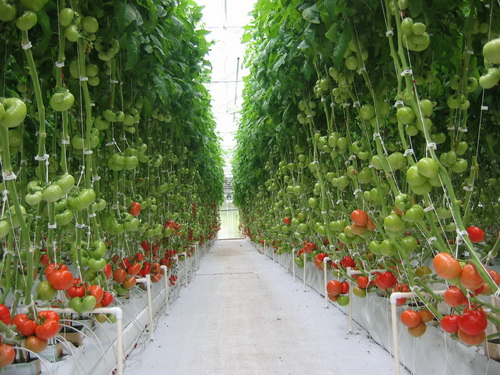
To stop plants from getting stressed, it is essential to establish an appropriate growing environment from the very beginning. This is a proactive means to make sure the best plant growth possible. It is particularly essential for growing food-producing plants, because your garden must be considered an investment. By restoring your hydroponic garden back to a secure environment, you can make your plant stress free.
Signs of plant stress:
• Dark patches
• Bleaches spots
• Wilting leaves
• No blooming
• Ragged leaves
• Dried edges on leaves
How to avoid plant stress:
The most ideal means to distress your plant is to maintain a secure growing environment. This must comprise:
• Maintain water, temperature & pH at a constant level
• Ignore breaking roots and take away dead leaves on a regular basis.
• Not keeping plant under too high or low light intensity
• Maintaining proper nutrient levels
• Maintaining appropriate ventilation, humidity and temperature levels.
• Preventing mold and pests and controlling them instantly as they appear, stressed plant encourages further growth of pests & diseases
• Ensuring appropriate Co2 levels are accessible for plant to perform photosynthesis.
 By adding natural bio-stimulants to your Hydroponic nutrient solution, you will assist your plant in several ways. You will aid plant roots better nourish the nutrient solution and improve the plants’ plant’s resistance to bugs & diseases. Both of these enhancements will better repare your plants to deal with stress. These enhanced conditions also guide to greater yields.
Wednesday, 21 January 2015
Guide to Clean Your Hydroponic System
Gowing your food indoors employing hydroponic gardening systems provide several benefits. Primarily, you’ll generally yield healthier plants in a quick manner. The indoor setting provides your plants a secure and sheltered sanctuary where proper growing conditions can be accomplished.
Yet, despite the several advantages of hydroponic growing indoors, as the cultivator, you should still be aware of investing the proper amount of cleaning time into the hydroponic system itself. A dirty system will over time harm your plant’s health because of the prospective build-up of mold, bacteria and algae. The ideal way to deal with this potential issue is to get into a schedule of cleaning your hydroponics system on a regular basis.
• Take away plants – start off by taking away your plants from the hydroponic system. Uproot them into a detach reservoir, preferably with the same grow medium, pH levels and nutrient solution. Reproducing the plants’ home is the ideal way to make sure your plants do not go into shock after taken out of their setting.
• Disinfect the system – you will wish to dirt-free your hydroponic systems’ tank as well as the parts by cleansing the system with the help of a cleaning agent. You can find hydroponic cleaning solution online or at your local hydroponic shop. Several cultivators also prefer to employ a diluted bleach blend to clean their hydroponics system. However, you should always go with natural cleaning products when it comes to cleaning your hydroponic system.
 • Soak & wash – after the hydroponic system has been cleaned with the cleaning solution for about twenty-four hours, you will wish to rinse it out with unpolluted water. Circulate cleaned water through the hydroponic system for at least 1 to 2 fifteen-minute cycles. Throw away the water to rinse away any remaining cleansing solution deposit.
• After you have cleansed and rinsed your hydroponic system, you can start to return your plants into their habitat. Re-establish your grow medium and trigger your system as normal. Keep an eye on your plants for any symptom of stress or shock for the next day or so.
Every hydroponic system is diverse, but you may wish to get into the practice of sanitizing your system every month or so. You may also choose to dirt-free your hydroponics system in between plant growth phases.
Wednesday, 14 January 2015
Grow Hydroponic Fodder for Your Livestock
For years we’ve known about the human being health advantages of consuming sprouts & juicing greens, so why not expand the happiness to our farms? As winter is around the corner several of our livestock are relegated to dirty, dry silage; but this can be ignored by employing hydroponic technology. Through the use of a customized NFT (nutrient film technique) channel, you’re able to grow general cereal grains into mineral dense, highly edible, fresh greens.
The hydroponic fodder can be produced in as little as 7 days and need no fertilizer. Some of the most common grains utilized to make hydroponic fodder are wheat, barley, and Black Oil Sunflower seeds. Several cultivators will make precise grain mixtures to cater to their individual livestock requirements, and some grain firms are even providing pre-mixed rations. This type of fodder can be nourished to a wide range of livestock ranging from chickens & turkeys to horses and cattle. The hydroponics fodder imitates these livestock’ normal diets much better than that of dried hay, and standard grain mixed rations. In several cases, nourishing hydroponics fodder in the months of winter can even help decrease the cases of foundering and colic in livestock like cows and horses. One of the biggest obstructions that we encounter while cultivating sprouts for our livestock is producing a mold-free stuff while still upholding a higher level of sprouting. What makes this challenge is the fact that both sprouting seeds & fungal pathogens flourish in high moisture, warm conditions. By employing hydroponic NFT skill, newer fodder systems decrease ambient water and moisture loss often concerned with older misting type systems. This decrease in ambient moisture and enables us to employ these systems in a little warmer condition, motivating fertilization, but not mold expansion. Some of the most effective hydroponic fodder systems are operated in exceedingly regulated conditions employing ecological control tools often seen in indoor cultivation complexes and green house.
Hydroponic fodders are steadily getting fame with farms of all sizes. Whether you’re looking to improve the quality of your livestock’s life or to lessen the high rate of hay, hydroponic fodder is the best ever solution.
Subscribe to:
Posts (Atom)