For years we’ve known about the human being health advantages of consuming sprouts & juicing greens, so why not expand the happiness to our farms? As winter is around the corner several of our livestock are relegated to dirty, dry silage; but this can be ignored by employing hydroponic technology. Through the use of a customized NFT (nutrient film technique) channel, you’re able to grow general cereal grains into mineral dense, highly edible, fresh greens.
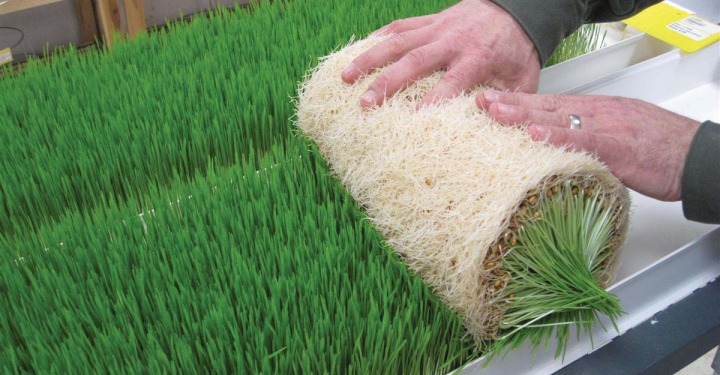 The hydroponic fodder can be produced in as little as 7 days and need no fertilizer. Some of the most common grains utilized to make hydroponic fodder are wheat, barley, and Black Oil Sunflower seeds. Several cultivators will make precise grain mixtures to cater to their individual livestock requirements, and some grain firms are even providing pre-mixed rations. This type of fodder can be nourished to a wide range of livestock ranging from chickens & turkeys to horses and cattle. The hydroponics fodder imitates these livestock’ normal diets much better than that of dried hay, and standard grain mixed rations. In several cases, nourishing hydroponics fodder in the months of winter can even help decrease the cases of foundering and colic in livestock like cows and horses.
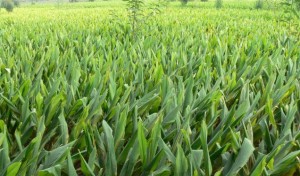 One of the biggest obstructions that we encounter while cultivating sprouts for our livestock is producing a mold-free stuff while still upholding a higher level of sprouting. What makes this challenge is the fact that both sprouting seeds & fungal pathogens flourish in high moisture, warm conditions. By employing hydroponic NFT skill, newer fodder systems decrease ambient water and moisture loss often concerned with older misting type systems. This decrease in ambient moisture and enables us to employ these systems in a little warmer condition, motivating fertilization, but not mold expansion. Some of the most effective hydroponic fodder systems are operated in exceedingly regulated conditions employing ecological control tools often seen in indoor cultivation complexes and green house.
Hydroponic fodders are steadily getting fame with farms of all sizes. Whether you’re looking to improve the quality of your livestock’s life or to lessen the high rate of hay, hydroponic fodder is the best ever solution.

