The livestock sector in the Middle East is highly dynamic, in response to rapidly increasing demand for meat and poultry products. The increasing demand for livestock products have been largely driven by human population growth, income growth and urbanization. For more you can visit http://alfaculture.com
Showing posts with label alfaculture. Show all posts
Showing posts with label alfaculture. Show all posts
Monday, 29 June 2015

Sunday, 10 May 2015
What Is Alfaculture Or Hydroponic Green Fodder
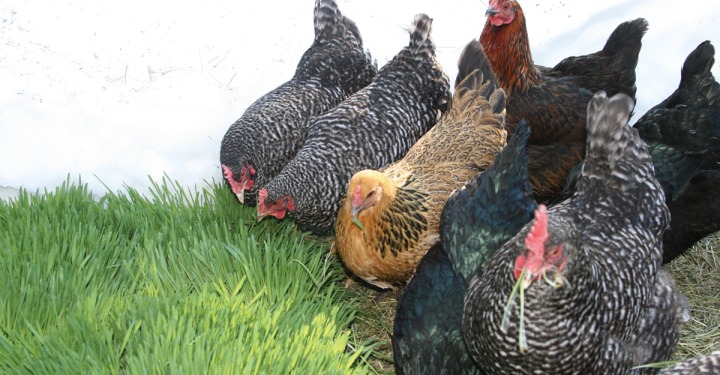
 Alfaculture is also known as Hydroponic green fodder. Also, the generation of hydroponic green foods or Alfaculture is one such route through which you can adequately develop and produce the right nourish for your animals. The healthful advantages of hydroponic green grains (grew grains) are best fit for all animals including, sheep, cows, steeds, goats, chickens, that give animals enhanced development and general wellbeing.
Hydroponics innovation has come up to develop grub for homestead creatures, as a distinct option for routine technique for green feed creation. It is a very much acknowledged truth that encouraging dairy creatures is fragmented without incorporating green grain in their eating regimen.
The word hydroponics has been gotten from the Greek word 'water working'. Hydro signifies "water" and ponic signifies "working" and it is an innovation of developing plants without soil, yet in water or supplement rich answer for a brief time. The hydroponics green grub creation unit comprises of a nursery and a control unit.
The span of the green house is more or less 25 feet (length) x 10 feet (width) x 10 feet (stature) and can possibly create 600 kg of green grain every day in seven days. Inside the green house, racks are available and every rack contains various lines, in which plate containing doused seeds are suited. Channels containing miniaturized scale foggers are fitted simply over the plate for water hazing, which eventually keeps up the nursery mugginess.
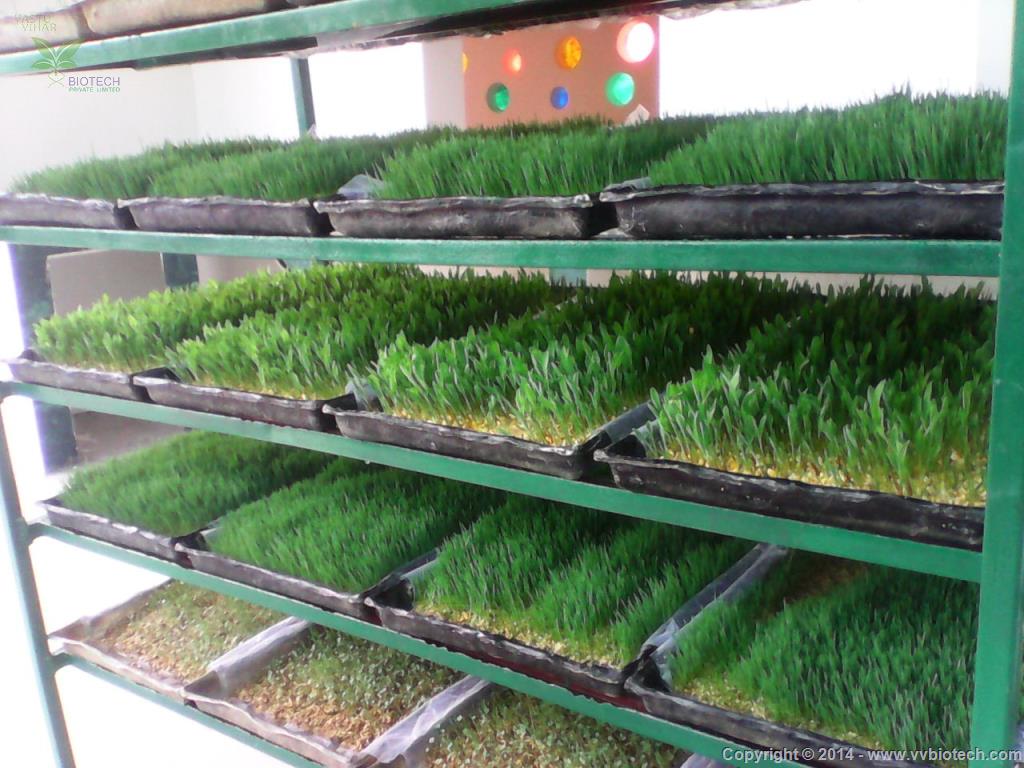 Distinctive sorts of grub like maize, wheat, cow pea, and so forth can be developed by hydroponics innovation. Feed sprouts are delicate and youthful, the likeness crisp green grass. In that capacity, they are exceedingly satisfactory and nutritious to different kinds and classes of domesticated animals. On a dry matter premise, hydroponic grain contrasts positively and different nutritious feedstuffs.
Alfaculture has a higher nutritious value than the customary green grub. In the circumstances where grains can't be developed; agriculturists can deliver hydroponics green feed for their creatures.
Monday, 13 April 2015
Why Hydroponic Green Fodders are the best choice for livestock animals
Green fodders produced by growing seeds without soil but in water or nutrients rich solutions are known as hydroponics green fodder and the production method is termed as Alfaculture. Hydroponics green fodder production or Alfaculture is a method of cultivating livestock feed mostly in green houses under controlled environment, in nutrient rich water.
 Green fodders are staple feed for dairy animals. Dairy animals producing up to5-7 liters milk per day can be maintained exclusively by feeding green fodders. Inclusion of green fodders in ration of dairy animals decreases amount of concentrate feeding and thus increases profit. Therefore, for economical and sustainable dairy farming, fodder production round the year is highly essential.
Green fodder produced in an Alaculture system would have many benefits as it is capable to fulfill bulk of animal easily and quickly, hydroponic green fodders are a major source of vegetable protein, it is a good source of carbohydrate (soluble and fibrous) and good source of minerals. Hydroponic green fodders are rich in essential vitamins and a good source of water (approx. 15-25% water).
The Alfaculture units are built with a greenhouse (for growth of fodder) and a control unit, (for regulation of light, temperature, humidity and water) for optimum growth of fodder. And generally in an Alfaculture system, fodders are grown in trays in 7 days cycle excluding the day for seed soaking.
 In comparison to conventional green fodders, hydroponics green fodders contain more protein, fat (ether extract) and soluble carbohydrates (nitrogen free extract); but less fiber, total ash and acid insoluble ash.
Feeding of hydroponics green fodder produced in Alfaculture units are more beneficial to all livestock due to their high nutritional values. Green fodders are highly succulent and relished by dairy animals. For instance; 7-8Kgs of Alfaculture maize green fodder can replace one kg concentrate mixture fodder. As it is highly succulent, it is recommended to offer maximum 20 kg hydroponic green fodder per day per animal.
Thursday, 12 February 2015
GRASS FODDER BY HYDROPONICS IN 8 DAYS
Grass fodder is used as an animal feed and can be produced in great numbers within 8 days from seed to grass for all livestock & even quicker with Co2 added. Various varieties of grass fodder include, but are not limited to, barley, oat grass, lucerne grass, rye grass or whatever grass one wishes to grow in ones country.For more you can visit http://alfaculture.com
Wednesday, 28 January 2015
5 Advantages of Urban Farming
Also known as urban agriculture, urban farming is a way for urban inhabitants to produce their own food, or have access to local foodstuffs. The tradition of urban farming is growing in fame in urban regions across North America. With the several advantages of urban agriculture and all that local food production has to provide, it is essential that we carry on to spread consciousness regarding how communities and individuals can institute a base of enhanced health, social communications, and economic opulence.
Here we’ll have a look at 5 advantages of urban agriculture:
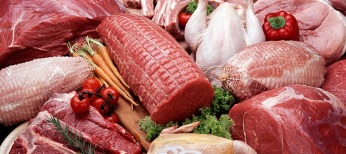 • Improves food-safety – food safety is having access to and being able to afford wholesome, safe foodstuff – and enough of it. This is a main worry for several households worldwide. Fortunately, urban agriculture contributes to better food security.
• Makes a sense of belonging – urban agriculture is 1 means to bring urban inhabitants together to institute a sense of community amongst people otherwise self-governing and, in several cases, isolated.
• Produces wholesome food – you get healthier, fresher food, herbs, fruits and vegetables – and are more likely to eat what is in the season, when you eat what is produced on an urban farm.
• Offers a learning prospect – urban farms offer city inhabitants an opportunity to grow their own foodstuff, and learn in the process. They can also learn about different gardening methods, the best mineral solutions, needed sunbeams, and controlling heat, among other things.
• Makes effective use of land – you can effectively make use of the land you do have to feed the people. Consider vertical or rooftop gardens: they take up minimum space but produce loads of fresh, wholesome food. Several hydroponic systems are installed perpendicularly, to fit anywhere you want even indoors!
Thursday, 18 December 2014
Pesticides for Hydroponically Grown Plant
Plant lovers have grown sweet potatoes, hyacinth bulbs and various other plants in water for from a very long time. In fact, the Aztecs grew food plants in floating gardens, and the ancient Babylonians employed hydroponic methods for the legendary Hanging Gardens. When plants grown first in water, it was popularly called as hydroponics, borrowing from 2 Greek words meaning water & labor. However, in recent years hydroponic has come to include growing plants in any medium other than soil. Though plants grown hydroponically have fewer pests & diseases compared to plants grown in soil, the application of pesticides is necessary sometimes.
Whiteflies injure plants by sucking their juices, which might guide to leaf drops, yellowing of leaves or stunting of the plant. Also viruses are spread through whitefly activities. More than twelve-hundred species of whiteflies subsist, but biological controls are very precise to the species of whitefly swarm, making detection of the whitefly pest is extremely crucial.
Use of pesticide isn’t suggested when whiteflies are an issue. Apply of insect repellents can kill organic predators of the whitefly, resulting in whitefly outbursts. Furthermore, whiteflies speedily build up resistance to insect killers. Biological control is the most recommended answer to whitefly infection on plants grown hydroponically. Big-eyed bugs, tiny pirate bugs, Lacewings and certain lady beetle species are natural opponents of whiteflies. In a conservatory setting, discharge of a small parasitic wasp can be productive. The life cycle of wasp is shorter compared to the life-cycle of whiteflies, allowing the wasp populace to grow quickly and obliterate the eggs of whiteflies through parasitism.
Make use of a hand-lens to observe hydroponically grown plants for thrips, aphids and spider mites. Indication of existence of these insect pests comprises cast skins, insect droppings, webs, discoloration or hole in leaves. Employ sanitation measures for exclusion of infected leaves when infection is negligible.
Verticillium lecanii, a fungus, is a natural opponent of thrips and aphids, and also whiteflies. The yeast attacks parasitize & destroy its hosts. Since it doesn’t damage organic enemies of thrips, it can be employed in mixture with other biological control methods. The utilization of insecticidal soap can also be employed on plants grown hydroponically to control thrips, whiteflies and aphids.
Wednesday, 10 December 2014
How to Grow Tomato Plants Hydroponically ?
Growing tomatoes hydroponically and tomatoes in a soil-based garden are 2 diverse procedures, each with its own advantages. The only resemblance is the similar tomato seedlings can be planted employing either means. Soil grown tomatoes have a low set-up cost with the drawback of having a risk of pest issues. Although, hydroponic growing systems have a higher primary cost for the setup, but they’ve a low danger of pest issues, and the plants can be grown all through the year indoors. Things you’ll require for growing tomatoes hydroponically are:
 • Hydroponics system
• Hydroponic nutrients
• Soilless medium
• Netted pots
• Halide grow lights
 • Soil pH test
• Tomato support
• Ground rock sulphur
• Organic compost
• Limestone
• Tiller
• Grass clippings
• Shovel
• 10-20-10 fertilizer.
How to start?
• Bring together the hydroponic system, and fill up the pots with water. Put in the proper amount of supplements to the water based on the package directives for the quantity of water in the hydroponic system. Operate the system for about 3 days to ensure it’s working appropriately & to bring the water to room temperature.
• Fill up the netted hydroponic containers about half occupied with soilless means. Wash the tomato seeding roots with room-temperature water to smoothly take away as much soil as probable. It’s okay if a smaller quantity of soil remains on the roots. Then spread the sapling roots over the media in the container. Put in more medium about the branch to clasp the plant in place.
• Put the containers in the hydroponic system so half of the container is waterlogged & the roots are below the water level.
• Fill up the hydroponic tank with water as the level decreases from plant evaporation. Put in the supplements to hydroponic system every time water is added to preserve a proper concentration for the growth of plant.
• Set up grow enclosures around the tomato plants as they grow more than twelve inches tall to offer support before the vegetable starts to grow.
Following all these above-mentioned tips you will be able to grow red tomatoes year-round in your home garden.
Thursday, 13 November 2014
Growing Population Seems To Be a Major Concern for Arable Land
The world recession has done nothing to stop the increasing populace of the world. It is very much anticipated that in the next decade the populace of the globe will amplify by another one billion people. We’re short of feed for horses, cattle, goats, sheep, cows and other domestic animals as deserts get bigger & man diminishes the soil of minerals for livestock to stay alive. In some nations, the situation is so poor that livestock are left to die.
How growing population has contributed to the scarcity of arable land:
 The quick extension of the populace size since the conclusion of the World War II in the globe’s poorest countries has been a prime reason of their poverty. Over-population & continuing population increase are making significant contributions to the annihilation of planet’s life-support systems.
In the past, human being populations have seldom been subject to outbursts. Only about one-third of lands are classified as farming but some of these lands are being overtaken by acid soils and where fertilizers are lacking. Therefore, roughly 2/3 of the land area of the globe aren't suitable for any type of farming use because it’s covered by deserts, mountains, cities, snow, swamps, etc. Of the 35% that can be committed to cultivation, less than 1/3 can be cultivated & produce crops that the human being can digest.
The remaining 2/3 of the globe’s farming land is covered by shrubs, deserts, grass or other plants that only ruminant animals can absorb. Therefore, the incompetence of animals isn’t a major problem as they represent the only means these plants can be transformed to human foodstuff. As the human populace of the globe increases, it’s probable that we’ll be forced to rely more on ruminant animals to meet the increasing demand for foodstuffs. But the concern we’ve is that as nature and man take over the land, there’s less feed for the animals.
Monday, 27 October 2014
Enjoy Growing Hydroponic Veggies in Your Own Garden
Hydroponic basically means growing vegetables or plants without using soil. All needed food supplements for the vegetation are known as hydroponic supplement, which are melted in the water & directly fed to the roots mechanically.
Just imagine growing vegetables without even having to worry about the soil type. No more concerns regarding too much or too little water; how much manure or when to fertilize; or the hard work of ploughing & weeding to offer just the perfect soil uniformity & quality; and how much room to provide each plant to ignore from going after water and nourishment.

Hydroponic veggies are dynamic, healthy and always dependable. Moreover,
hydroponic gardening is very clean and effortless, requiring very little hard work. You can yield at the top of nutrition worth, when vines ripened, & they taste wonderful.
In soil, plants develop a big root system to look for water and food. However, in hydroponic method water and foods are directly fed to the root. This allows the foliage to invest more energy on growing the branch on top of the surface, therefore, growing 2 times quicker. With tiny roots, the plants can be grown more closely, preserving much space. Hydroponic gardens need only about twenty percent of the total space required for soil gardens for the same vegetable production.
Common benefits of hydroponic vegetable production:
• Vegetables produced hydroponically can be of great quality and require very little cleaning.
• Soil preparation & weeding is decreased or abolished.
• It’s absolutely possible to produce extremely high yields of veggies on a small area. All the supplements that the plants require are accessible at all times.
• Water is used more effectively
• You don't require good-quality soil to grow plants or vegetables
• Contamination of soil with unused nutrients is deeply decreased.
Wednesday, 22 October 2014
Hydroponic Fodder – Benefits Are Endless For Your Livestock
In spite of the fact that the systems of hydroponics fodder production date back to the 1930s, there’s improved enthusiasm in hydroponic fodder as a feedstuffs for goats, sheep, and other livestock. 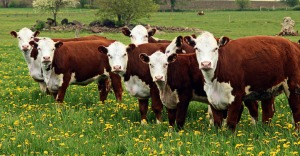 In hydroponic method, only nutrients and moisture are supplied to the growing plants. There are several benefits of hydroponics. Most important thing is hydroponic growing methods deliver a better yield over a shorter span of time in a smaller area compared to the conventionally grown crops. Alfaculture is the method of growing animal fodder hydroponically.
In hydroponic method, only nutrients and moisture are supplied to the growing plants. There are several benefits of hydroponics. Most important thing is hydroponic growing methods deliver a better yield over a shorter span of time in a smaller area compared to the conventionally grown crops. Alfaculture is the method of growing animal fodder hydroponically.
Livestock feed or fodder can be produced hydroponically much the same as flowers, vegetables, and other plants. Usually, hydroponic fodder methods are used to grow cereal grains, like oats, barley, corn, sorghum and wheat. However, Barley is the most regularly grown feed, because it offers the best yield of supplements.
Hydroponic fodder advantages:
Hydroponic fodder has many gains if compared to traditionally grown fodder. Most essentially, they make extremely effective utilization of water. There’s minimal waste water, as livestock chomp through the re-circulated water alongside the food. As production is hydroponic, there’s absolutely no draining of supplements into the atmosphere. Hydroponic fodder creation needs significantly less land to generate feed for cattle.
Because of its increased digestibility & the accessibility of supplements, there’s a wide array of gains of feeding hydroponic fodder over grains & concentrates. By consuming hydroponic fodder your livestock will be not just healthier and have a superior quality of life; they'll also be more profitable and productive. Some benefits to livestock comprise:
• Less compost because of the improved digestibility of food
• Boosted resistant system
• Improved longevity & lifespan
• Early heat cycles
• Enhanced fertility
• Stimulated craving throughout heat stress
• Improved behavior & temperament
The advantages your cattle will receive from eating hydroponic fodder don't end there. Each species has its individual unique advantages on top of the overall health advantages listed above.
Benefits for you:
Adding hydroponic fodder to the food routine of your animals will consequence in direct advantages to your farm. Producing fodder via hydroponic method is more effective than any other ways of generating feedstuffs for farm animals. By feeding hydroponic fodder, you’ll greatly decrease the amount of resources required to maintain both your farm and animals.
Hydroponic fodder production is possibly best-fitted to semi-dry and drought-prone regions of the globe. By cultivating food indoors, crop failure would no longer be a danger. Great quality feed could be generated year-round.
Tuesday, 14 October 2014
Hydroponic Green Fodder – For the Overall Wellbeing of Your Animals
It’s a well-accepted reality that feeding dairy animals is absolutely incomplete without incorporating green food in their diet schedule.Feeding is the most important factor in successful livestock farming. However, the foremost stipulations in yield of green fodder are limited land dimension for fodder cultivation, lack of water, more labor requisite, non-accessibility of same quality green food throughout the year, necessity of fertilizer or manure and natural disasters. As a substitute to the traditional procedure of green fodder creation, alfaculture- the hydroponic technology for livestock fodder production is available.

Different kinds of fodder such as cow pea, wheat, maize, etc. can be grown via hydroponic technology. The produce of the hydroponic green fodder is greatly influenced by the quality and type of seed, purity and hygienic state of the green house. Hydroponic fodders are more wholesome compared to the traditional green fodder. In the circumstances where fodders can’t be cultivated, farmers can yield hydroponic green fodders for their livestock.
Though the hydroponic technique is not new to the world, it has started to notice a renaissance globally as water & growing problems turns out to be more widespread. With several regions of the globe experiencing record drought and water becoming more of a worry for a lot of individuals and businesses that own & raise farm animals, looking for options' & solutions to retain the wellbeing and development of their animals could be a challenge.
As a sustainable solution to excessive droughts, many commercial organizations have been built up. These organizations provide large-scale systems that are capable of producing many tons of hydroponic fodder per day and provide new alternatives for ranchers' & livestock producers. Not only hydroponic fodder methods use less water compared to field hay, but they provide several other benefits, comprising a higher yield through improved nutritional value.
While looking for starting a farmstead or beginning to domesticate livestock for personal use or as a business venture, the nutritional requirements of the animals being domesticated will become a crucial issue in the workload & expenditure of a business. Feed accessibility, price and quality are all permanent concerns. Other problems of livestock care could be decreased, with proper supplementation and nutrition at the front.
One can offer an excellent source of nourishment to a wide array of livestock and have the capability to locally obtain an on-demand feedstock through alfaculture- a method of growing fodder hydroponically.
Subscribe to:
Posts (Atom)